
Korea stem cell skin care at aesthetic clinics mostly uses cell-free products derived from stem cell culture, such as conditioned media or exosomes, applied to skin that microneedling or a laser has just opened. Some clinics instead offer programs based on the patient's own blood plasma, which contains no stem cells. A typical visit includes numbing cream, the needling or laser pass and the product layer. Redness usually fades within hours to a few days, and same-day flights are generally possible. Any change in texture builds over weeks. Clinics price per session or per package, before VAT, and this page lists clinics and their current prices side by side.
 Stem cell processing
Is it for you?
Who Stem cell therapy in Gangnam suits, and who should wait
These treatments are usually chosen by adults who want finer texture, a more even tone or calmer skin after laser work, and who accept a gradual, modest change. They suit people already open to microneedling or microneedle radiofrequency, because that step is what lets a topical product reach below the surface.
They are not a substitute for lifting, filler or surgery. Cell-free products will not tighten loose jowls, rebuild lost volume or remove deep scars, and none of them can stop aging. Anyone hoping for a dramatic one-session change is likely to be disappointed and should discuss other options first.
Usually a good fit
- Dull or uneven skin texture
- Enlarged pores or mild post-acne marks
- Calming skin after a laser course
- Visitors comfortable with microneedling
May be better to wait
- Pregnancy or breastfeeding
- Active acne, eczema flares or infection on the area
- Implants or permanent filler in the treatment zone
- Deep sagging that needs lifting or surgery
Clinics in Gangnam
10 clinics for Stem cell therapy in Gangnam
Every clinic below lists Stem cell therapy among its treatments. Message a clinic directly.
 1
RE:BERRY Clinic Gangnam
 2
ViolaCell Clinic
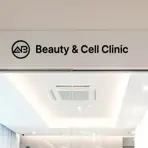 3
AB Beauty&Cell Clinic Gangnam
 4
ADO Clinic
 5
Beauty&Young Clinic
 6
DOCTORS Dermatology Gangnam
 7
Cellis LAB CLINIC
 8
Cellon Dermatology Clinic (Cheongdam)
 9
DOCTORS Dermatology Sinsa Annex
 10
MIN Clinic
How it works
How a Stem cell therapy session runs
Stem cells grown in a laboratory release growth factors and tiny vesicles into the liquid around them. Manufacturers collect that liquid as conditioned media, or isolate the vesicles as exosomes, and supply them as ampoules or freeze-dried powder. In a 2008 report in Dermatologic Surgery, Park and colleagues described how adipose-derived stem cells secrete growth factors and increased collagen production in an animal study, which is the basic idea behind these products. Exosome products are classified as cosmetics in Korea, not as approved drugs.
Because a cosmetic product sits on the surface, clinics pair it with a step that opens fine channels: a microneedling pen, microneedle radiofrequency such as Potenza, or a fractional laser. The product is spread over the area straight afterward and absorbed while the channels stay open. What sets the price is mostly the product, the delivery device and the number of sessions in a package.
Own-blood programs work differently. A small blood sample is spun in a centrifuge to concentrate platelets and growth factors, sometimes with a booster added, and the plasma is used on the face or scalp. Living cell therapy, where cells are harvested and processed, follows separate rules and is not a standard skin clinic procedure.
Assessment
The doctor checks texture, pores, marks and any active breakouts, asks about recent laser, peels and retinoids, and confirms which product will be used.
Numbing
Cleansing is followed by a numbing cream that is left on the treatment area to take effect before any needling starts.
Channel step
A microneedling pen, microneedle radiofrequency or a fractional laser treats the area at a depth chosen for the skin type and the goal.
Product layer
The conditioned media or exosome product is spread over the treated skin and gently pressed in; this part takes only a few minutes.
Soothing
A cooling mask or calming cream ends the visit, followed by written aftercare and advice on sunscreen.
Stem cell therapy compared with other options
| Point | Conditioned media or exosomes | Own-blood plasma program | Living cell therapy |
|---|---|---|---|
| What it contains | Growth factors and vesicles, no living cells | Your concentrated platelets and plasma | Harvested and processed cells |
| How it reaches the skin | Applied on skin opened by needling or laser | Used on the face, scalp or by drip | Handled as a separate medical procedure |
| Status in Korea | Exosome products classed as cosmetics | Prepared from your own blood on site | Covered by separate cell therapy rules |
| Sensation | Prickling or heat from the needling step | Needle draw plus the delivery step | Depends on the procedure |
| Typical downtime | Redness for hours to a few days | Redness or a small bruise for a few days | Set by the treating team |
At a glance
Stem cell therapy facts
| Product type | Cell-free conditioned media or exosomes from stem cell culture |
|---|---|
| Regulatory class | Exosome products are cosmetics in Korea, not approved drugs |
| Delivery | Applied right after microneedling, microneedle RF or fractional laser |
| Alternative route | Own-blood plasma programs, which contain no stem cells |
| Numbing | Topical cream before the needling or laser step |
| Downtime | Redness and mild swelling for hours to a few days |
| Usual sessions | No fixed number; set by the clinic for each plan |
| When change shows | Gradually over the following weeks |
| Earliest flight home | Generally the same day |
Recovery
What the days after look like
Skin looks pink and feels warm or tight; keep it clean and skip saunas, hard exercise and alcohol.
Redness and slight swelling fade; pinpoint marks from needling settle and the surface may feel dry.
Most visible effects of the channel step are gone, and normal skin care can usually resume.
Any change in texture and tone becomes easier to judge in photos taken in the same light.
Safety
Stem cell therapy risks and limits
- Redness, warmth, mild swelling and pinpoint marks from the needling or laser step
- Dryness, itching or a breakout as the skin settles
- Bruising at the draw site for own-blood programs
- Rarely, infection, pigment change or delayed lumps at treated sites that need a doctor
- Human evidence is limited, and much of the research comes from laboratory and animal work
- No effect on sagging, lost volume or deep scars
Evidence
Research behind this page
- Clinical use of conditioned media of adipose tissue‐derived stem cells in female pattern hair loss: a retrospective case series studyInternational Journal of Dermatology · 2015 · Shin H, Ryu HH, Kwon O, Park BS, Jo SJ · doi:10.1111/ijd.12650
A retrospective review of 27 women with female pattern hair loss treated with adipose stem cell conditioned media, reporting higher hair density and thickness after 12 weeks and no severe adverse reactions.
- Adipose-Derived Stem Cells and Their Secretory Factors as a Promising Therapy for Skin AgingDermatologic Surgery · 2008 · Park BS, Jang KA, Sung JH, Park JS, Kwon YH, Kim KJ, et al. · doi:10.1111/j.1524-4725.2008.34283.x
An early report that analyzed growth factors secreted by adipose-derived stem cells, found increased collagen production in an animal study and described a single-patient pilot.
- Exosomes derived from human adipose tissue-derived mesenchymal stem cells alleviate atopic dermatitisStem Cell Research & Therapy · 2018 · Cho BS, Kim JO, Ha DH, Yi YW · doi:10.1186/s13287-018-0939-5
A mouse study in which exosomes from adipose-derived stem cells reduced signs of atopic dermatitis, including serum IgE, eosinophils and inflammatory cytokines in skin lesions.
FAQ
Questions about Stem cell therapy in Gangnam
What do clinics mean by stem cell in Korea?
At most aesthetic clinics, stem cell in Korea refers to cell-free products made from stem cell culture rather than living cells. The usual forms are conditioned media and exosomes, supplied as ampoules or powder and applied after a needling or laser step. Some packages use the patient's own blood plasma instead. Ask which version you are being offered and request the product name in writing.
Is South Korea stem cell care cell-free or cell-based?
South Korea stem cell care in skin clinics is mostly cell-free, built on conditioned media or exosomes. Procedures with harvested, processed living cells fall under separate cell therapy rules and are not part of a standard skin visit. If a clinic offers a cell-based procedure, ask how it is authorized, where the cells are processed and what follow-up is planned, and expect clear documented answers.
How does a topical product get below the skin surface?
It relies on the fine channels made by microneedling, microneedle radiofrequency or a fractional laser just before application. The product is spread over the area while those channels are open and is absorbed over the following minutes. Without that step, most of it would stay on the surface. Ask which channel device the clinic uses and at what depth for your skin.
Is an own-blood plasma program a stem cell treatment?
No; plasma from your own blood concentrates platelets and growth factors but does not contain stem cells. Some clinics still sell it under youth or stem cell style package names, sometimes with a booster added. Evidence for facial use of plasma remains limited. If a package is built on a blood draw, ask what is added to the plasma and what that ingredient is.
What did early research on adipose stem cell products find?
Early research reported encouraging laboratory and animal results, with very limited human data. In a 2008 report in Dermatologic Surgery, Park and colleagues found increased collagen production in an animal study. In a 2015 case series in the International Journal of Dermatology, Shin and colleagues reviewed 27 women with hair thinning treated with conditioned media. These findings guide research rather than predict individual results.
What if I have eczema-prone skin?
Active eczema is a reason to postpone, and the condition itself stays with your own doctor. Needling through a flare can worsen irritation and slow healing. A 2018 mouse study by Cho and colleagues in Stem Cell Research and Therapy looked at adipose stem cell exosomes in an atopic dermatitis model, but that was an animal study and does not make exosome care an eczema treatment. Book only when the skin is calm, and share your history at the consultation.
What side effects are reported after a session?
Most side effects come from the needling or laser step: redness, warmth, swelling and pinpoint marks lasting hours to a few days. Some people notice dryness, itching or a few breakouts as skin settles. Rare problems include infection, pigment change and delayed firm lumps at treated sites. Report any lump, spreading redness or pain to a doctor and share the product name.
Will redness get in the way of sightseeing?
Usually only for a short time, since redness from the channel step tends to fade within hours to a few days. Many visitors book the session in the afternoon and keep the evening quiet. Wear a hat and broad-spectrum sunscreen outdoors once the surface has calmed, and skip saunas and hard exercise for the first day to let the skin settle.
How can I check which product is used on my skin?
Ask to see the sealed vial or package before treatment and take a photo of the label. A clear label shows the brand, the type of product and a batch or lot number. If the clinic mixes a freeze-dried powder, watch it being prepared. Keeping the photo helps any doctor at home understand what was used if a delayed reaction appears.
Who should avoid these treatments altogether?
People who are pregnant or breastfeeding, or who have active infection, inflamed acne or broken skin on the area, should not be treated. A keloid tendency, recent isotretinoin, blood thinners, bleeding disorders or past reactions to biologic ingredients need a doctor's review first. Implants or permanent filler in the zone may change the plan. When in doubt, ask for an alternative.